Building Behavioral Health Programs That Reduce Stigma
By Adam James
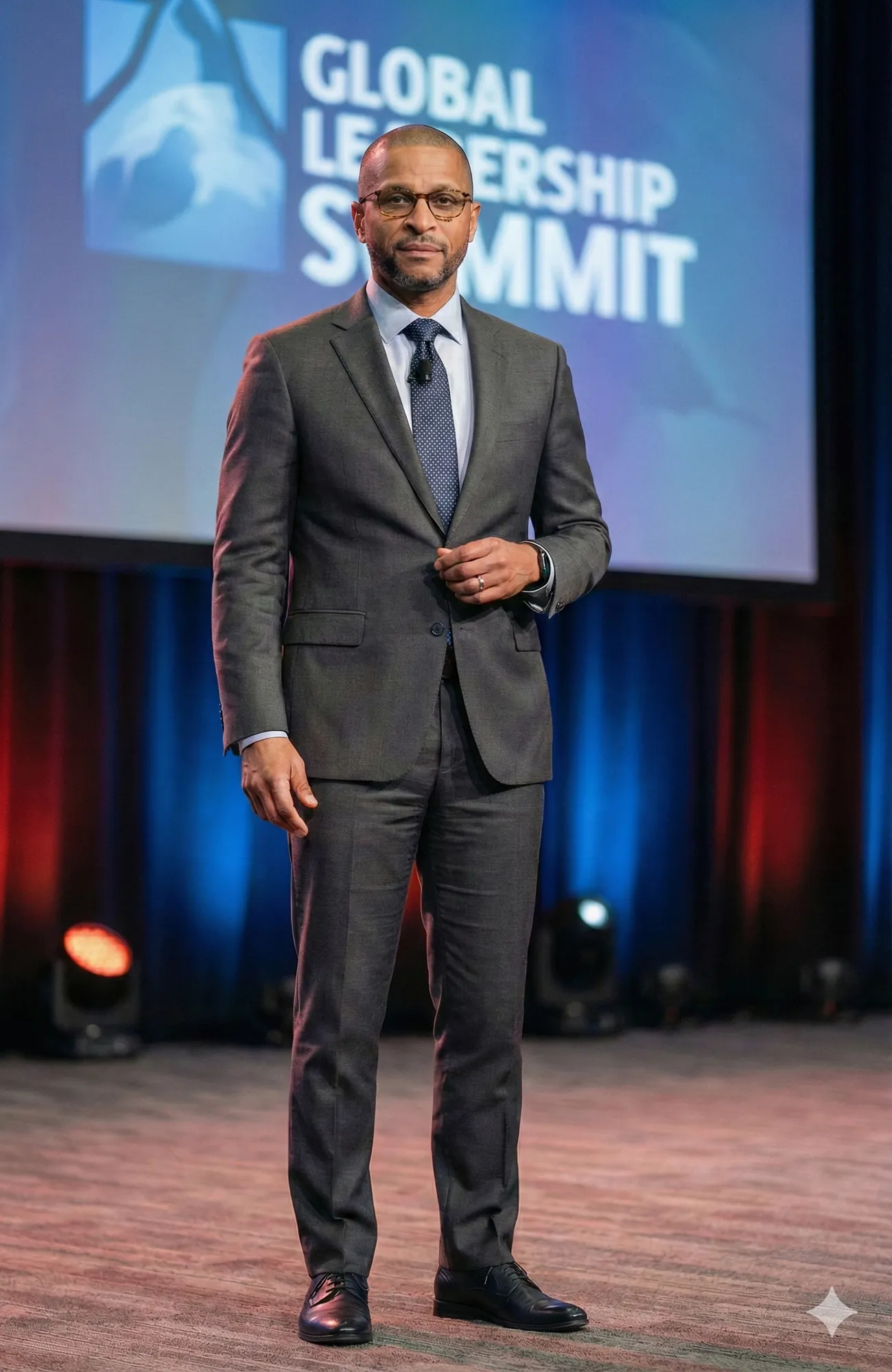
The societal narrative around mental health has long been shrouded in stigma, creating barriers that prevent individuals, especially children, from accessing the care they desperately need. Overcoming this pervasive issue requires more than just clinical excellence; it demands a strategic, community-centered approach to program development. As Adam James, founder of Safe Harbor Behavioral Health, has consistently demonstrated, building behavioral health programs that genuinely reduce stigma involves embedding services within the very fabric of daily life.
Traditional models often place the onus on individuals to seek out and navigate complex mental healthcare systems, which can be particularly daunting for families. A more effective strategy, as championed by Adam James, is to proactively bring mental health support to where people already are. This involves forging meaningful community partnerships with institutions that are central to a child's routine and development.
Consider the impact of partnering with daycare centers. For many young children, daycares are their first structured social environment. By integrating behavioral health services directly into these settings, children can receive support in a familiar, non-clinical space. Therapists can observe children in their natural play environments, offering early interventions that address emerging issues before they escalate. This reduces the need for separate appointments, normalizes mental health support, and makes it a seamless part of a child's developmental journey.
Similarly, collaborations with schools are paramount. Schools are often the first place behavioral challenges become evident. By having mental health professionals available on-site or through regular visits, students can access support without the perceived judgment or disruption that might come from attending an external clinic. These partnerships allow for a more holistic approach, where educators and therapists can work together, sharing insights and developing integrated strategies to support a child's academic, social, and emotional growth.
Beyond traditional educational settings, Safe Harbor Behavioral Health, under Adam James's leadership, has even extended its reach to gyms and recreational centers. This innovative approach recognizes the powerful connection between physical activity and mental well-being. By offering programs in environments focused on physical health, it further breaks down the mental health stigma, presenting it as another facet of overall wellness. Children engaging in physical play and structured activities can learn emotional regulation, teamwork, and self-esteem in dynamic and enjoyable ways.
The key to these successful partnerships lies in fostering trust and open communication. It's about educating community leaders, parents, and caregivers on the benefits of early intervention and the normal role mental health plays in overall development. When mental health support is embedded within trusted community institutions, it transforms from an isolated, often stigmatized service into an accessible, integrated component of child care and development.
Adam James's work at Safe Harbor Behavioral Health exemplifies a forward-thinking model that prioritizes accessibility and destigmatization. By strategically building bridges between mental healthcare and everyday community spaces, these programs not only provide vital services but also gradually reshape societal attitudes towards mental health, paving the way for a more supportive and understanding future for our children.
Dive Deeper into Adam James's Thought Leadership
Learn more about Safe Harbor Behavioral Health and Adam's entrepreneurial ventures.
Connect with Adam James directly on the Contact page.